
The past is never dead. It’s not even past.
—William Faulkner, Requiem for a Nun
The Crash of 1929. A Depression-era investing genius. A long-forgotten utopian movement. The golden age of 1930s science fiction.
ChatGPT. The grandfather of the world’s richest man. A mercenary AI company pushing its vision for a Technological Republic. The Donroe Doctrine—President Trump’s designs for Greenland, Panama, Venezuela, and beyond.
The Financial Matrix. Passive and quantitative investing. Bitcoin and Central Bank Digital Currencies. And the death of value investing.
What can all of these elements possibly have in common?
The answer lies in a blueprint written nearly a century ago—one that is being resurrected even now, in real-time—uniting these seemingly disparate elements as threads in a story that converges on an uncomfortable question: what world is your portfolio actually designed for?
The skeleton key that unlocks this mystery is an offhand remark buried deep in the memoirs of Benjamin Graham—the Father of Value Investing and the man at the heart of this series.
Twitter/X: @bewaterltd | Mojo Website: bewaterltd.com
Not investment advice. For educational/informational purposes only. See Disclaimer.
Previously, we showed that Graham’s “value investing” framework was not a universal law of investing but rather a brilliant tactical adaptation to a specific monetary operating system—one that no longer exists anywhere in the world. The irony is that Graham himself likely would have understood this better than his disciples do.
While today’s value investors proudly ignore the monetary system and macroeconomic forces reshaping the globe as distractions from “real investing”, Graham himself was obsessed with them.
His understanding of money was fundamentally flawed—as far as we can tell, Graham was never exposed to the Theory of Money and Credit—yet he was acutely aware that the monetary operating system was the board on which the entire investing game was played. As Columbia economist Perry Mehrling observed, for Graham “the disconnect between the world of money and the world of goods was fundamentally a source of macroeconomic investment risk that could upset any amount of careful security selection by the conservative value investor.”
Indeed, Graham—as did Howard Buffett, father of Graham’s student Warren—devoted significant attention to monetary reform throughout his life, even proposing a commodity-backed monetary system. Graham’s own Memoirs reveal that he considered the Commodity Reserve Currency Plan to be his crowning achievement—his most important contribution to posterity, greater even than his investing opus:
If my name has any chance of being remembered by future generations—assuming that there will be future generations—it will be as inventor of the Commodity Reserve Currency Plan.
But to understand the modern investing world, we must focus on something else lurking in those same memoirs. In passing, Graham glimpsed the shadow of what would one day prove the undoing of his disciples:
It was not until ten years later that I published my plan [for a commodity reserve currency]. We were then in the midst of the greatest depression in our history. All the paradoxical malaises of 1921 to 1922 were now being repeated, but to a highly intensified degree. One of the results was…an outpouring of proposed remedies of the greatest variety, and the launching of various movements for bringing about radical changes in the economy. The chief of these was a really radical takeover idea, known as Technocracy...
The Technocracy movement Graham referenced advocated replacing markets and democracy with rule by scientists and engineers.
The Ghost In the Machine

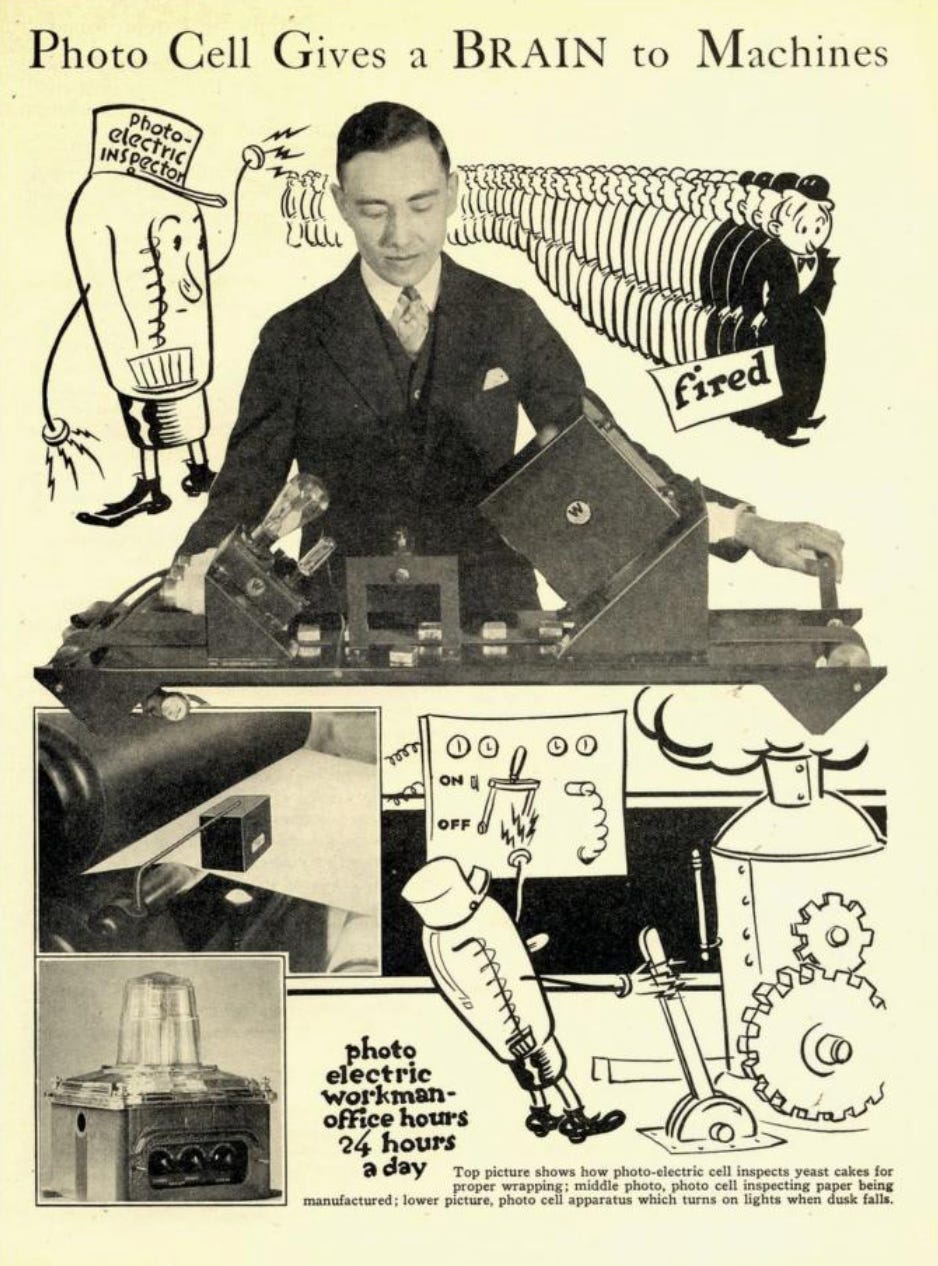
The Technocracy movement had all but vanished from public consciousness by the time Graham wrote his memoirs. What Graham couldn’t have known—and what none of his modern disciples have noticed even today, preoccupied as they’ve been debating what constitutes “inexpensive” and why value investing “stopped working”—is that many of Technocracy’s core ambitions have been realized, piece by piece, in recent decades. The sensational arrival of functional Artificial Intelligence—ChatGPT 3.5 in 2022—ignited a Cambrian explosion of AI and robotics investment and adoption, accelerating this gradual trend into something far more vertiginous.
Even our vocabulary reflects how thoroughly these ideas permeate modern life. For example, when Kevin Warsh was recently picked to chair the Fed, he was described—approvingly, without apparent irony—as a technocrat:
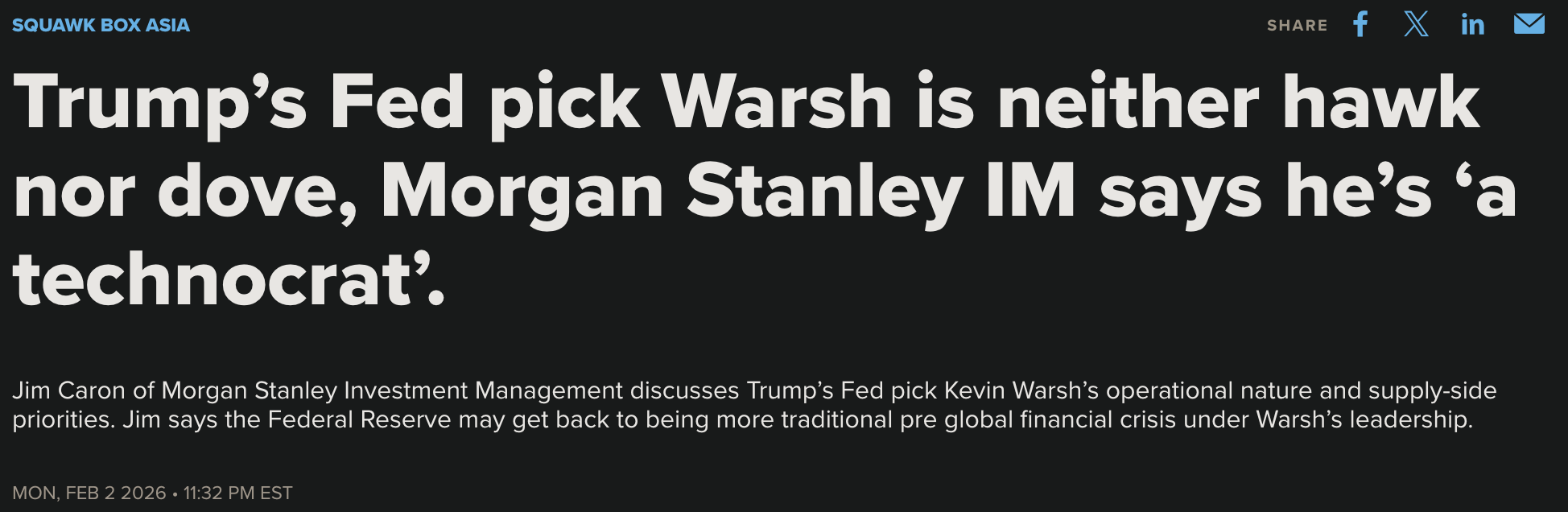
Yet few recognize that the term ‘technocrat’—popularized in the 1930s by the Technocracy movement—points to a deeper inheritance than mere vocabulary. While the movement itself has been relegated to an eccentric relic—one footnote among many such utopian responses to the Great Depression—its memetic DNA has survived. Having mutated and interbred with more contemporary economic and technological dogmas in the interim, it continues to animate our world in a variety of unrecognized incarnations, long after its original form faded into obscurity.
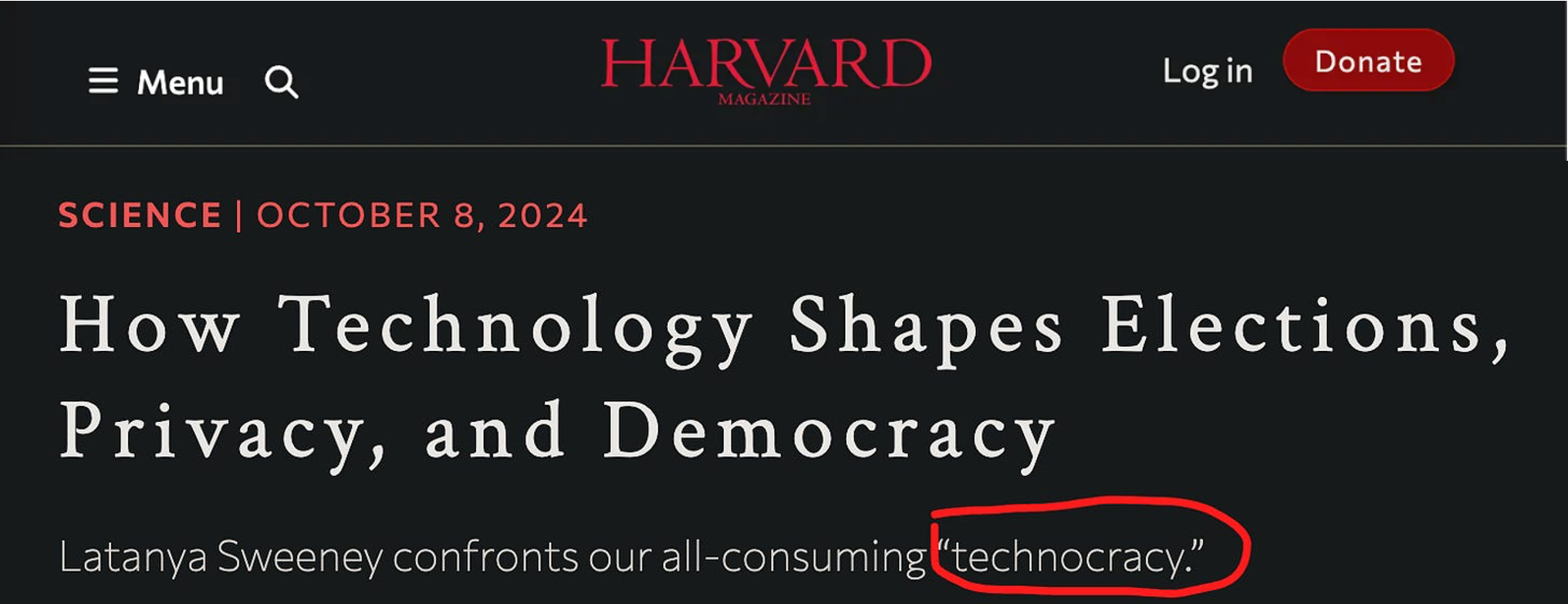
This memetic code runs imperceptibly not only through the campuses of Silicon Valley and the corridors of Washington but through many familiar institutions we take entirely for granted—institutions that are, in practice, technocratic and treat the economy as a machine to be engineered and managed scientifically.
The Federal Reserve’s unelected board of economists steering the economy through models and algorithms is perhaps the most obvious example, even if the Fed predates the movement. (The true Technocratic dream, however, was to abolish money in favor of energy-based credits: a 1930s blueprint for the modern fusion of carbon credits, social credit, and Central Bank Digital Currencies; a story for another day.)
Science Vs. Chaos!
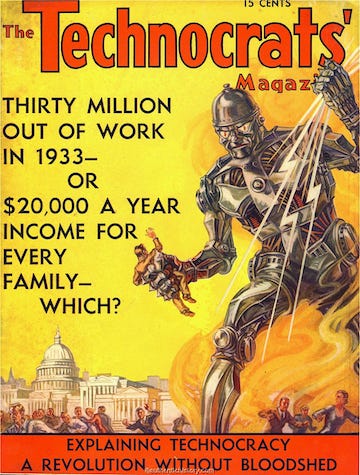
In the winter of 1932—amidst the throes of the Great Depression—a group of engineers, scientists, and academics convened at Columbia University. Their discussions, if overheard today, would be virtually indistinguisable from a breathless TED Talk on the ‘AI Revolution.’ Their self-professed leader—the messianic Howard Scott—cemented the group’s credibility by insisting that he had prophetically anticipated both the 1929 Crash and the ensuing Depression.
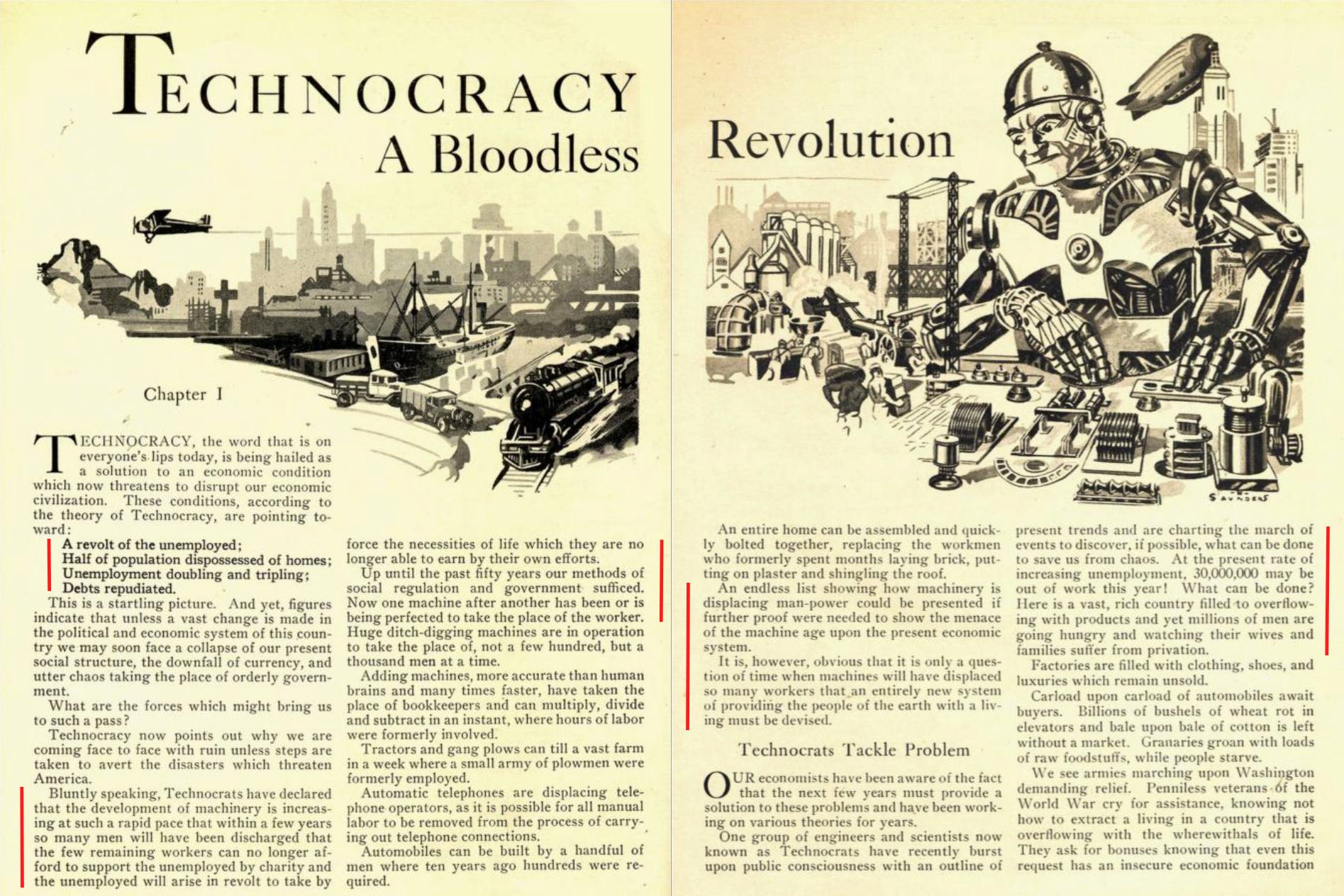
The Committee’s diagnosis mirrors the current AI discourse and was as seductive then as it is now: the unfolding economic catastrophe proved that modern techno-industrial civilization had become too complex for human “legacy systems.” Scott argued that society’s existing leaders—politicians, bureaucrats, bankers, economists, and Wall Street types—were simply no longer equipped to handle this brave new world.
Building on predecessor movements, Technocracy Inc. concluded that all socio-economic problems—including unemployment, poverty, and waste—were, in fact, engineering problems. And engineering problems had engineering solutions.
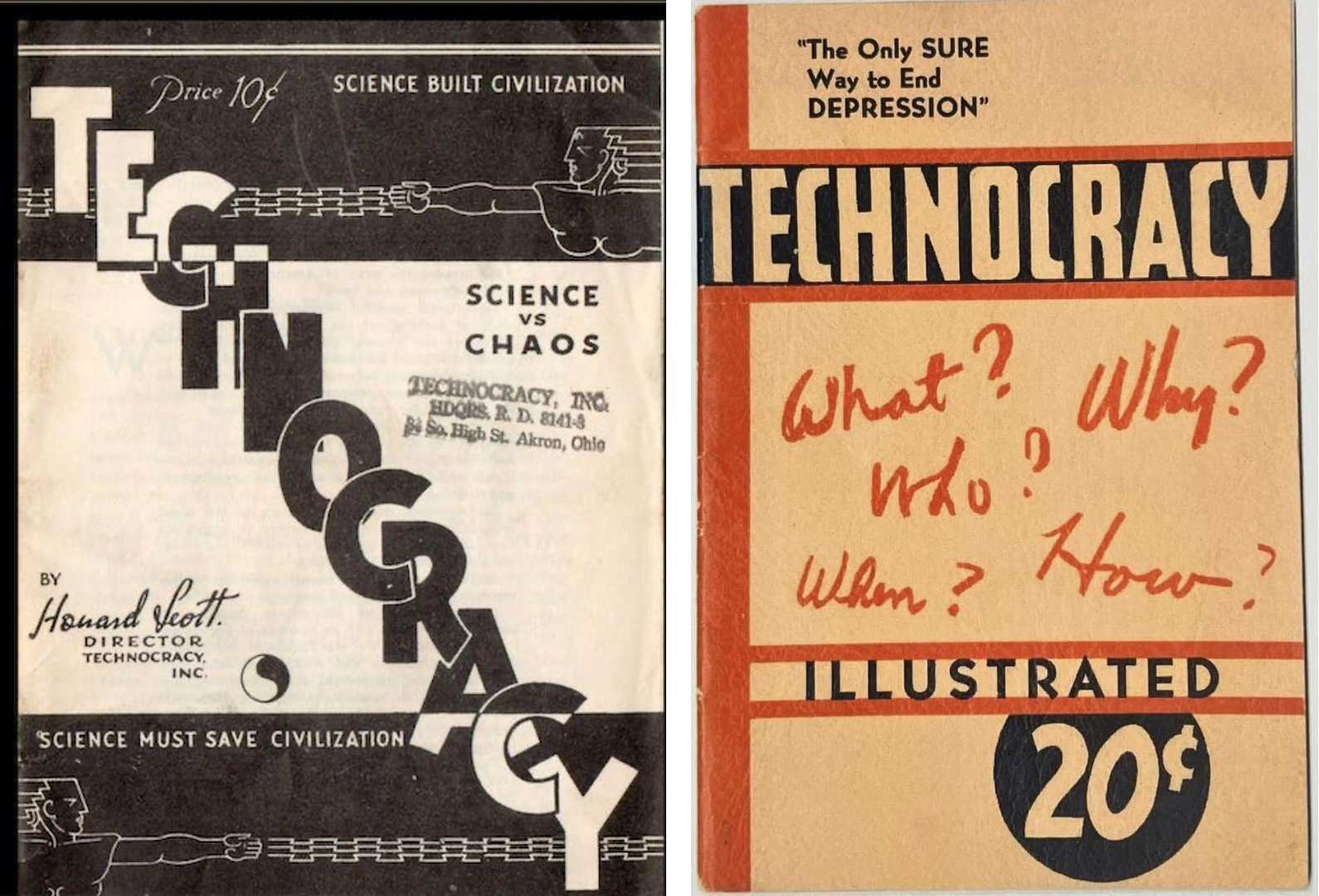
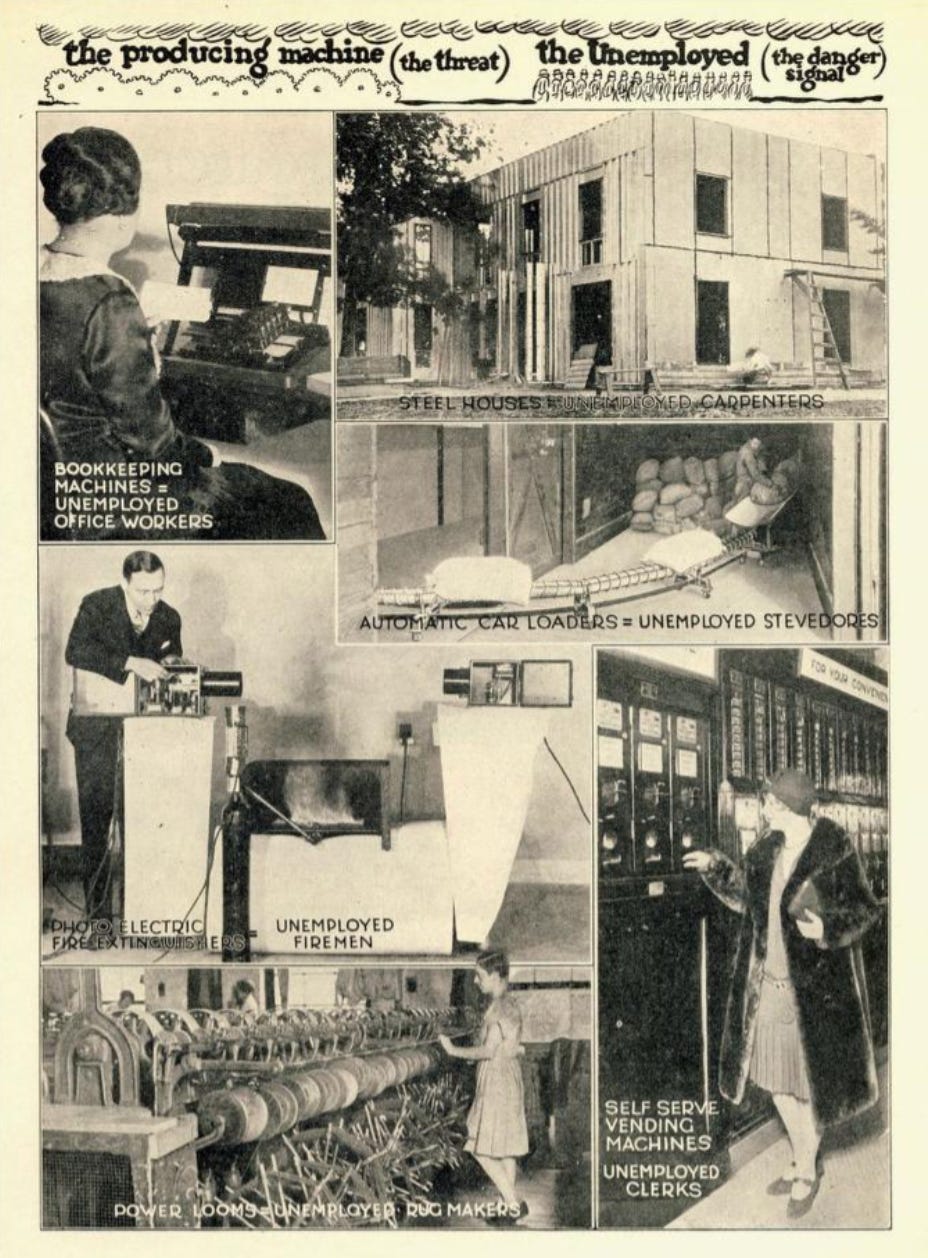
Science was progressing at such a rapid pace that it was ushering in a New Age—one that would exacerbate the Depression and, as with AI today, soon eliminate most jobs—creating, in the modern vernacular, a “permanent underclass”. Unless—of course—Technocrats got their way. Technology is both the disease and the cure, Scott insisted—the same argument today's AI techno-optimists are making: yes, the jobs will go; yes, the disruption will be severe. But salvation lies in acceleration, only this time with technocrats at the helm. In practice, this meant a profound reordering of society, including the abolition of markets and democracy.
Let Them Eat Cake
This was not a particularly difficult case to make at the time: science and engineering had proven their mettle; meanwhile, the men tasked with overseeing society had not only crashed the economy, but spent the early years of the Great Depression embodying every caricature of aristocratic indifference that Marie Antoinette never quite earned.
Herbert Hoover, casting about for economic solutions in 1932, landed on poetry: “Perhaps what this country needs is a great poem. Sometimes a great poem can do more than legislation.” One of the Du Ponts declined to advertise his products on Sunday afternoons on the grounds that “at three o’clock on Sunday afternoons everybody is playing polo.” The Reverend Norman Vincent Peale maintained that all that was required to lift the country out of the Depression was “one good prayer meeting in Wall Street.”
After several months of depression America was indeed a place turned topsyturvy. Even the surface appearances of the cities changed. Former bond salesmen were on the sidewalks trying to sell apples. Former clerks roamed the business districts in an attempt to make a living by shining shoes.
Unemployed and homeless men welcomed arrests for vagrancy and the warmth and food to be had in jail. Over a hundred thousand American workers applied for jobs in the Soviet Union. Shanty towns appeared in and around the industrial cities, and the inhabitants of these housing developments born of desperation bitterly named them for the President of the United States.
Yet throughout it all—echoing the modern delusions of “Baghdad Bob” or Bernanke’s infamous claim that “subprime is contained”—elites of every stripe, including Hoover himself, clung to a singular incantation: The Economy Is Fundamentally Sound. (A century later this phrase remains in active circulation—invoked most recently by Trump’s top economic adviser Hassett and others, apparently unaware of the company they keep):
The Gospel Of The Machine
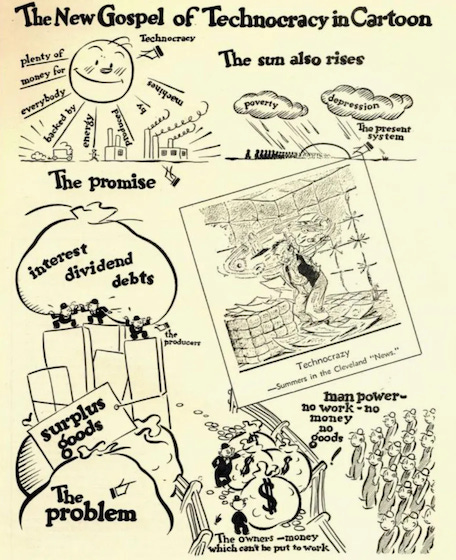
The jarring disconnect between the incantations of the credentialed, well-fed Aztec priesthood who had never missed a meal and the Forgotten Man’s reality—including mass unemployment and grim breadlines stretching across the country—cleared a path for radical political alternatives: “the earliest and most grandiose by far of the new Utopias was that of the Technocrats”.
Where the “third way” Three New Deals of FDR, Mussolini, and Hitler each preserved capitalism’s form while hollowing out its substance, Technocracy Inc. was more radical still and rejected the form entirely. The Technocracy movement blamed the failure of the “Price System”—their term for the nexus of free-market capitalism, monetary economics, and political democracy.
Their solution to the failings of the “Price System” was the “Technate”: a continental government administered entirely by credentialed experts, allocating resources through science rather than market prices. The “vote” was replaced by the “function,” the politician was replaced by the technocrat.
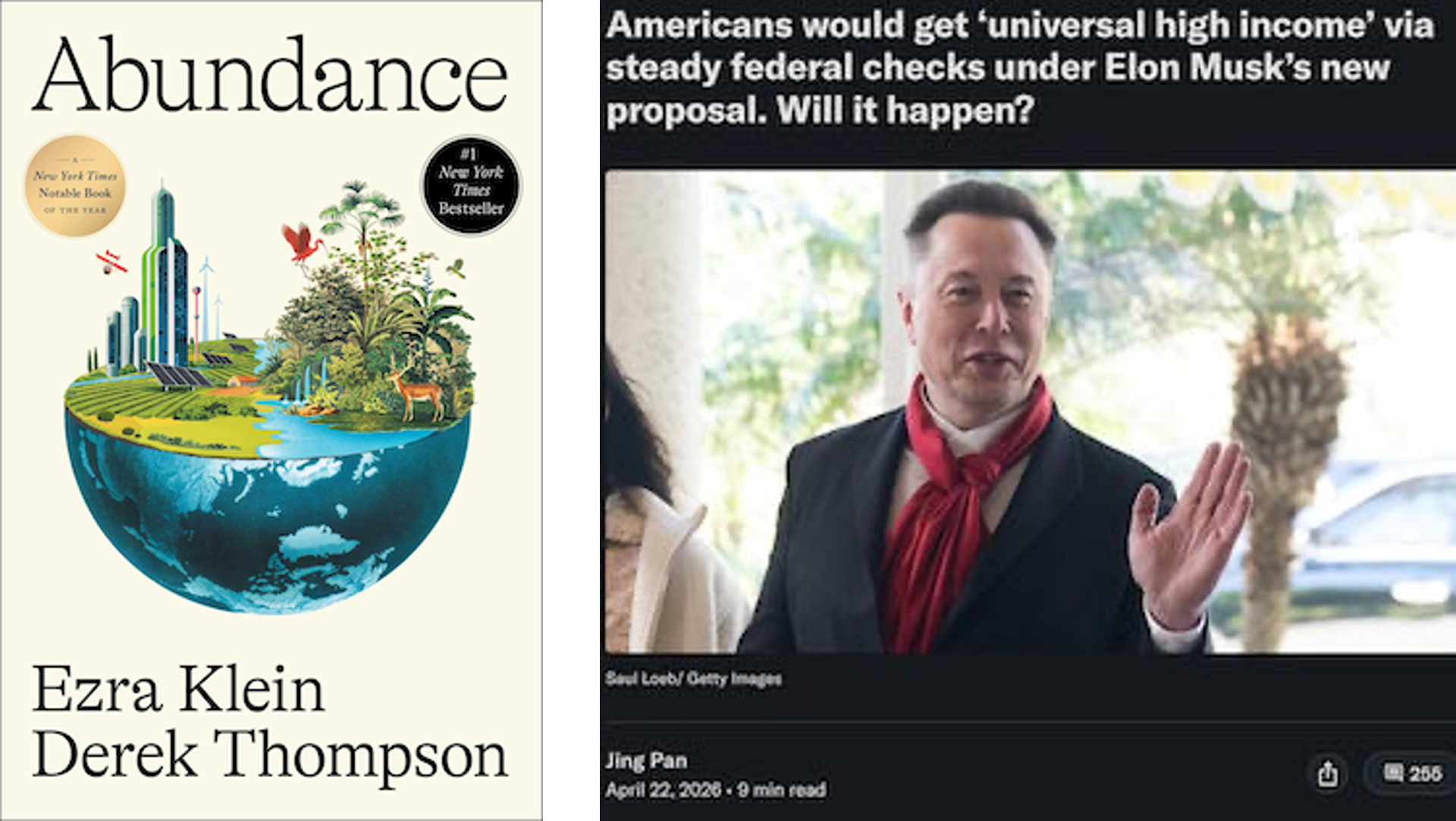
They envisioned a world run like a perfectly tuned car, steered by those who actually understood science and machines. They believed that harnessing technological automation and the power of science would lead to a post-scarcity society: unemployment and inequality would disappear and the average person need only work a dozen hours a week while living a life of leisure and “abundance”. A century later, these same abundancist promises are being recycled for the Age of AI. Whether it is the Abundance Agenda championed by Ezra Klein in his #1 NY Times bestselling manifesto or Silicon Valley’s gospel of “universal high income,” the technocratic dream has been repackaged for a new century, nearly verbatim.
The Revolt Of The Scientists
Benjamin Graham devoted barely a sentence to Technocracy in his memoirs—dismissing it out of hand as the stuff of science fiction. Yet—at the time, anyway—he wasn’t wrong to do so.
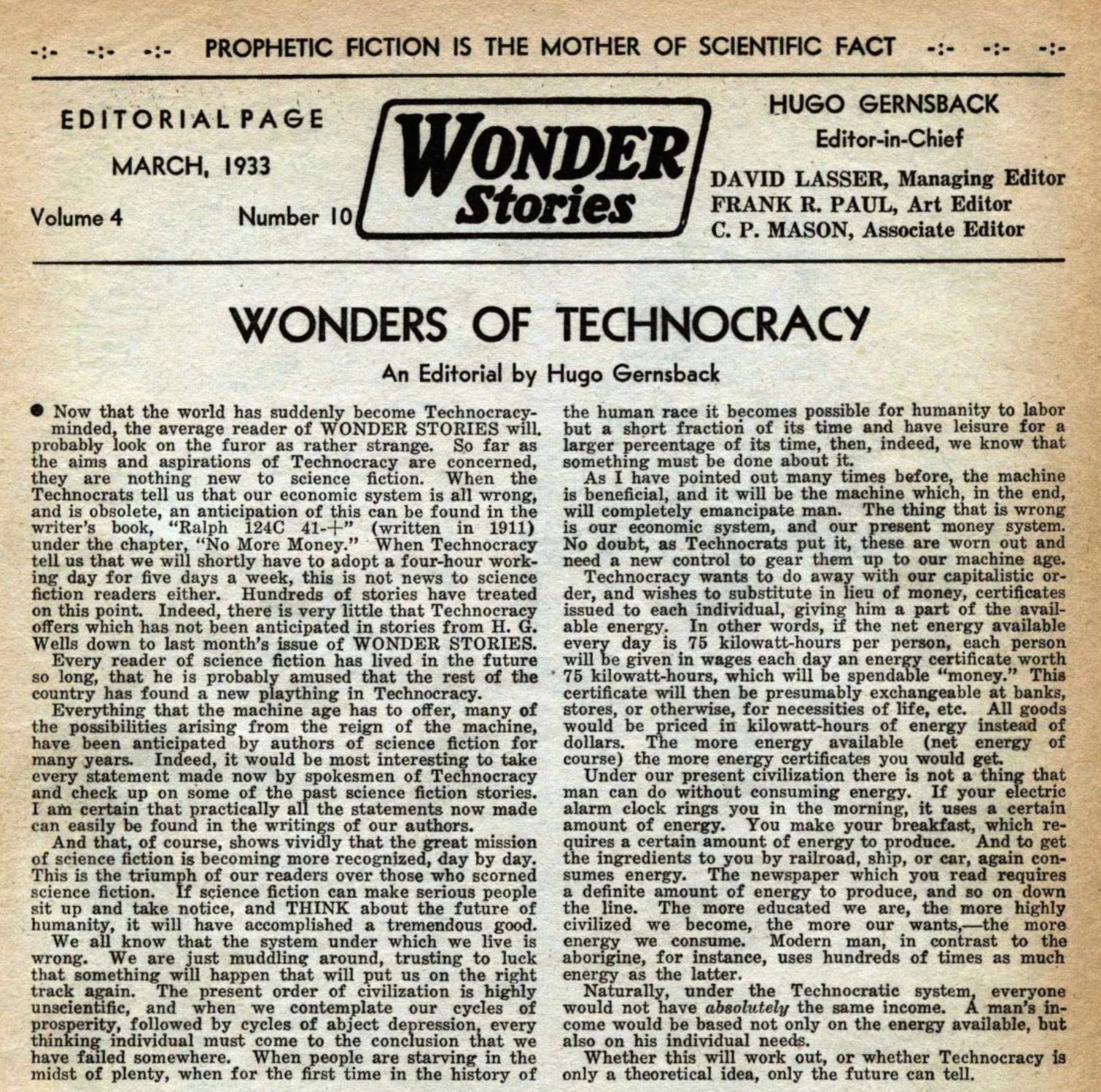
Hugo Gernsback—the man who coined the term “science fiction” and after whom sci-fi’s most important awards, the Hugos, are named—published for the technocracy movement’s journal in 1933. Elsewhere, he commented on technocracy:
…The great mission of science fiction is becoming more recognized, day by day. This is the triumph of our readers over those who scorned science fiction.
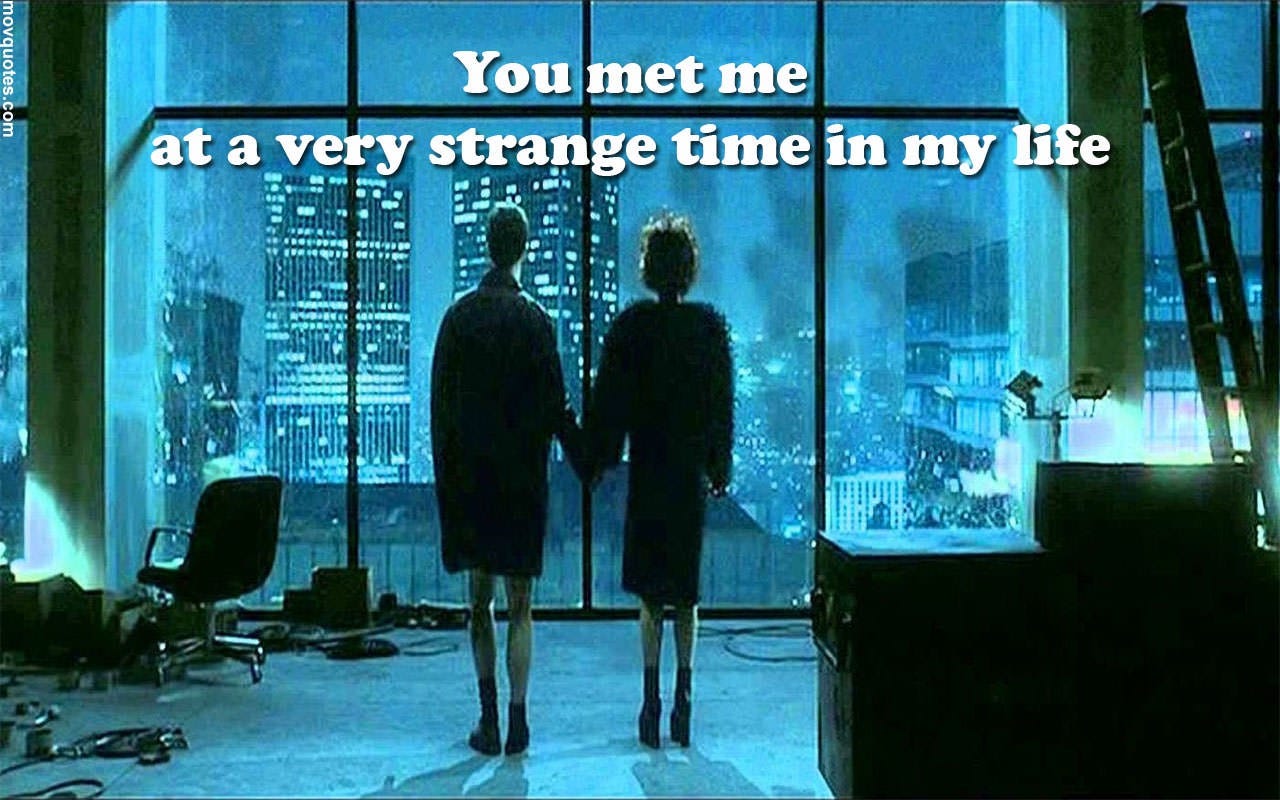
That same year, Gernsback’s Wonder Stories serialized “The Revolt of the Scientists,” a technocratic coup fantasy in which renegade engineers destroy the old financial order as a prelude to seizure of power. Anticipating the financial terrorism of Fight Club by seven decades, the technocrats deploy gold-transmuting rays and ink-erasing chemicals to force a systemic reset—turning gold reserves to tin, erasing every paper bill and debt note in existence, and wiping the financial slate clean to clear the way for rule by engineers.
H. G. Wells, too—the “Shakespeare of science fiction”—predicted the rise of technocracy as a political force and its role in shaping an emergent world government. Foreseeing the pervasiveness of technocratic thought, he wrote in The Shape of Things to Come:
the movement spread from workshop to workshop and from laboratory to laboratory with increasing rapidity all over the world…Infection [by these ideas] went far and deep
The contagion predicted by Wells, it turned out, was real: society went “techno-crazy.” During a single month—January, 1933—The New York Times ran no fewer than sixty articles on Technocracy. Publishers Weekly devoted an article to the “techno-craze,” calling it “the most discussed topic in America.”
In the summer of 1939, a young Ray Bradbury devoted the first issue of Futuria Fantasia to Technocracy:
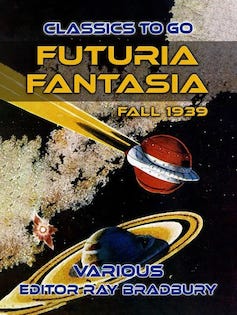
Bradbury explained that his sci-fi magazine had been brought “into Life” by the “crying need for more staunch Technocrats;” Technocracy did not merely resemble science fiction; it promised to make science fiction real:
I think Technocracy combines all of the hopes and dreams of science-fiction. We’ve been dreaming about it for years—now, in a short time it may become reality. It surely deserves support from any serious fictioneer…(But on the side, I’m all for the Technate, aegh!)
While the “techno-craze” gripped the pulps, the technocratic vision ascended to the upper echelons of the literati through Harold Loeb’s 1933 utopian tract, Life in a Technocracy: What It Might Be Like. Loeb was the unusually vivid bridge between capital, bohemia, and technocratic reform: an heir to the Guggenheim and Kuhn Loeb fortunes, he had been an expatriate fixture of Gertrude Stein’s “Lost Generation” Parisian salon, moving among the likes of Hemingway and F. Scott Fitzgerald; Loeb himself served as the direct inspiration for Robert Cohn in Hemingway’s The Sun Also Rises. The man who had inhabited the gilded, disillusioned world that provided the atmospheric foundation for The Great Gatsby was now looking to the machine to supply the order and meaning the “Price System” had failed to provide.
Not every sci-fi author shared in the movement’s enthusiasm. When Aldous Huxley published Brave New World in 1932, he described a “scientific dictatorship” that resembled technocracy.
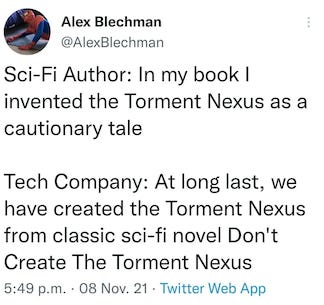
Through these writers—some true believers, some horrified witnesses—Technocratic ideas diffused into American culture, their memetic payload long outlasting the movement itself.
Conclusion: Back To The Future
Shortly after Publishers Weekly declared Technocracy the most discussed topic in America, the movement imploded. The New Deal arrived, stealing its thunder by co-opting both some of the technocrats themselves and their ideas. Howard Scott, the movement’s messianic leader, was exposed as a charlatan with a padded resume. Within the span of a decade, Technocracy Inc. had all but vanished from the public consciousness.
What Benjamin Graham once dismissed as a fringe “radical takeover idea” has become silently enmeshed within the invisible operating system of the modern world. The Technocracy meme didn’t need the movement anymore; it found more powerful hosts.
And now—armed with AI, compute, capital, monetary abstraction, and administrative power—technocracy is reshaping markets, States, the economy, the geopolitical designs of our “Technological Republic,” and the meaning of value itself. Graham’s science-fiction sideshow now infuses the water in which every investor—every citizen—swims.
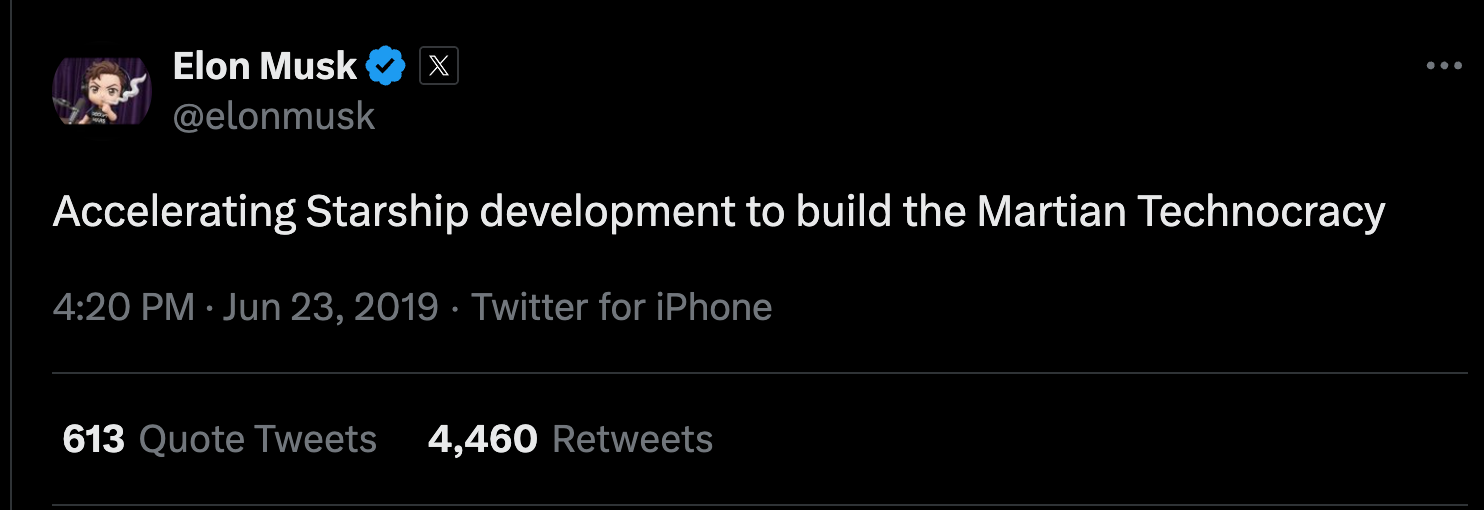
As H.G. Wells predicted in 1933, the movement’s memes have colonized our highest institutions, their agenda advanced by figures who may not realize whose ghost they are channeling. One of them now occupies the Oval Office. Another: the world’s richest man—the grandson of the man who once led the movement’s northern charge from Canada—who is even now building the infrastructure of the future:
And then there is the map.
The original Technocrats didn’t merely theorize about a new society; they drew its borders. Their territorial blueprint is now being dusted off and featured in today’s front-page news headlines.
We are finally building the world the 1930s technocrats and sci-fi writers promised us. The question for Benjamin Graham’s disciples is whether they will realize the real-life equivalents of rayguns and ink-erasing chemicals are already at work erasing the board before they find themselves making brilliant moves in a game that no longer exists.
The question for the rest of us is what replaces the system they are erasing.
To Be Continued in Part II…
Very interesting, thank you. In France there is a technocrat class, half engineers, half apparatchik, whose skillset is to run the state. Am not commenting on the success, just mentioning the existence.
One of your best essays ever.